MSC History
Missionaries of the Sacred Heart (MSC) – History and Presence in South Africa
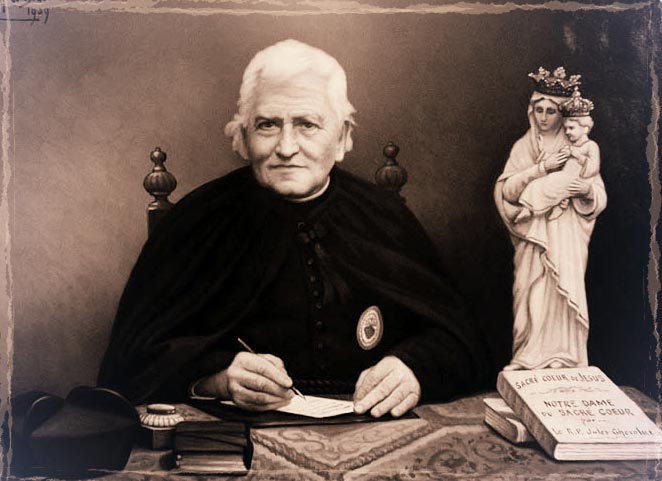
1. Origins and Charism The Missionaries of the Sacred Heart (MSC) were founded in 1854 in Issoudun, France, by Fr. Jules Chevalier. The congregation was born from Chevalier’s desire to make known the compassionate and healing love of the Heart of Jesus. Rooted in this spirituality, the MSC soon expanded their ministry beyond France, establishing missions dedicated to pastoral care, evangelization, education, and social development.
2. Global Missionary Expansion In the decades following their foundation, the MSC spread across Europe, the Pacific, Africa, and the Americas. Their focus included parish ministry, formation of young people, schooling, medical outreach, and the nurturing of Christian communities. Their spirituality emphasized repairing brokenness, reconciling divided communities, and bringing hope to the marginalized.
3. Arrival and Early Work in South Africa The MSC arrived in South Africa on 6 July 1950, beginning their work in the northern region of the country. Their first mission stations were in the areas of Louis Trichardt (now Makhado) and Messina (now Musina). Missionaries built churches, schools, halls, and pastoral centers, while engaging directly with local communities.
Shortly after their arrival, they were joined by the Daughters of Our Lady of the Sacred Heart, a congregation closely linked with the MSC. Together, the two congregations expanded ministries in catechesis, schooling, health care, maternity services, and home-based outreach for struggling families.
4. Ministries and Impact in South Africa The MSC brought a holistic model of ministry, serving both spiritual and physical needs. Their major areas of contribution included: – Parish leadership and sacramental ministry in rural and township parishes. – Founding and supporting schools, training teachers, and promoting education for underprivileged communities. – Providing medical and social support, especially in remote regions where state services were limited. – Engaging with local cultures and languages, promoting meaningful dialogue between Catholic faith and African traditions. – Offering formation programs for new priests, catechists, and lay leaders who later became anchors of the local church.
Their presence helped develop strong local parishes, strengthened diocesan structures, and contributed to the growth of an African clergy capable of leading the Church into the modern era.
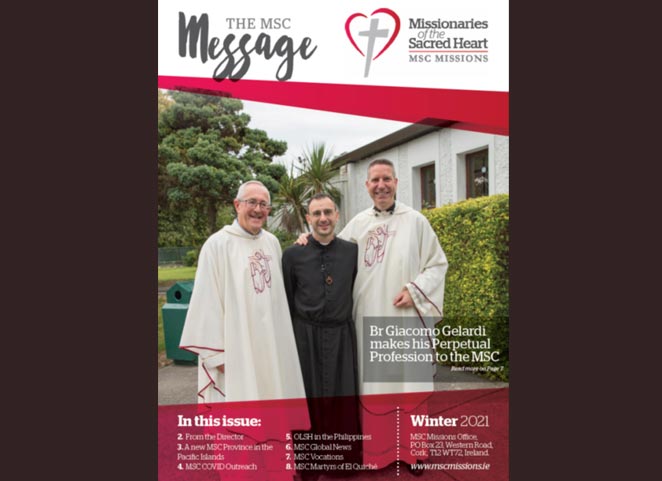
5. Key Figures and Local Stories Many MSC priests served for decades in the northern dioceses, forming close relationships with communities. Two notable MSC figures linked with local history include: – Fr. Gus O’Brien, MSC – known for pastoral presence and early missionary work. – Fr. John Finn, MSC – parish priest in the Thohoyandou/Sibasa area who served the community for many years and became closely associated with the life and story of Blessed Benedict Daswa.
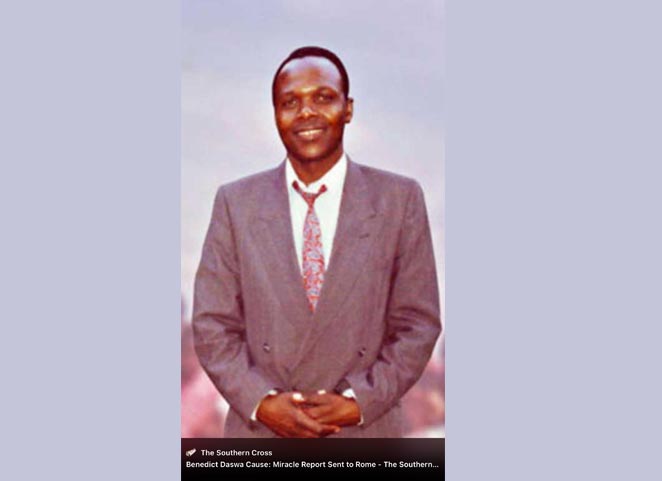
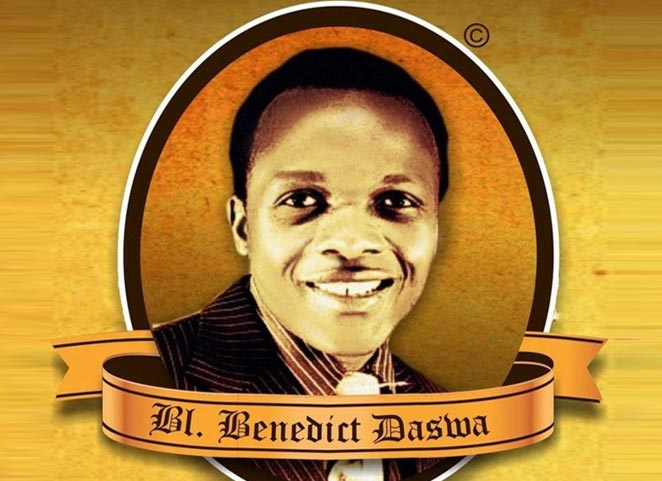
6. Blessed Benedict Daswa and the MSC Connection Blessed Benedict (Tshimangadzo Samuel) Daswa, born in 1946 in Mbahe, Limpopo, was a teacher, family man, and devout Catholic who refused to participate in practices involving witchcraft. His commitment to faith and conscience led to his martyrdom on 2 February 1990.
Daswa had a strong pastoral connection with MSC priests serving in the area. He was baptized by an MSC priest and later became deeply involved in parish life as a catechist, leader, and builder of the church in Nweli.
When the local community sought to perform traditional rituals involving witchcraft during a period of lightning storms, Daswa refused to contribute. His refusal sparked anger among some members of the community, leading to an ambush and his violent death. He died praying and entrusting himself to God. His life became a symbol of Christian courage, integrity, and resistance to spiritual compromise.
In 2015 he was beatified, becoming South Africa’s first recognized Catholic martyr. MSC clergy were present at his funeral, at many anniversaries of remembrance, and at the beatification celebrations.
7. Legacy of the MSC in South Africa The work of the MSC in South Africa helped establish strong, growing Catholic communities across rural regions. Their contributions left lasting marks in: – Education and literacy – Parish growth and leadership development – Youth formation – Promotion of justice, peace, and reconciliation – Support for families and vulnerable groups – Witness to faith in difficult cultural and political contexts
Today, the MSC continue their mission through parish ministry, vocational formation, spiritual retreats, and community outreach. Their spirituality and pastoral method remain rooted in compassion, service, healing, and love drawn from the Heart of Christ.
This summary may be used for websites, parish publications, and educational material.
You can get more information here: https://www.mscmissions.ie/about-us/where-we-are/africa/
Here are the full URLs of the sources used:
- https://www.mscmissions.ie/about-us/our-story/our-history/the-story-of-the-missionaries-of-the-sacred-heart/
- https://www.mscmissions.ie/about-us/our-story/our-history/
- https://en.wikipedia.org/wiki/Missionaries_of_the_Sacred_Heart
- https://gcatholic.org/orders/014
- https://www.ceist.ie/about-us/congregations/missionaries-sacred-heart/
- https://www.scross.co.za/2015/02/life-of-benedict-daswa-in-brief/
- https://anastpaul.com/2017/02/01/saint-of-the-day-1-february-blessed-benedict-daswa/
- https://sacbc.org.za/feast-of-blessed-benedict-daswa-dad-was-a-man-who-was-never-afraid-to-uphold-the-teachings-of-christ/
- https://www.misacor-usa.org/history/
- https://indianunion.wordpress.com/history/
- https://www.aciafrica.org/news/17605/south-africa-s-blessed-benedict-daswa-model-of-courage-apostle-of-life-catholic-priest-at-beatification-anniversary
- https://www.encyclopedia.com/religion/encyclopedias-almanacs-transcripts-and-maps/sacred-heart-missionaries